
MOVING again effortlessly and with grace
Imagine your body balanced, strong and flexible
Structural Integration identifies and releases complex tension patterns and helps you to obtain better posture and ease of movement
Eliminating discomfort and frustrating limitations through highly effective fascia work.
Structural Integration / Rolfing identifies hidden causes of persisting pain and restrictions and releases complex tension patterns in the soft tissue
Does this sound familiar to you?
. . . a Structural Integration session can bring relief of acute discomfort and get to the core of the problem.

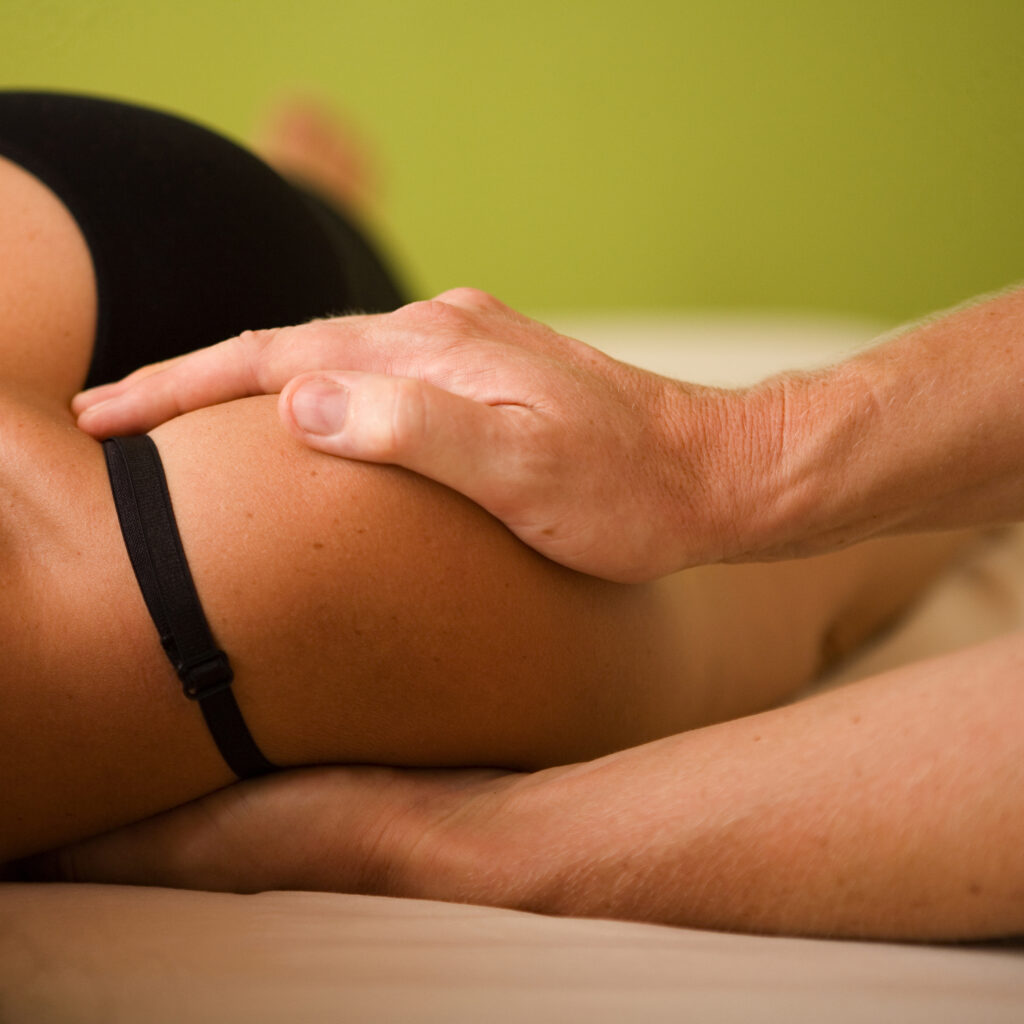
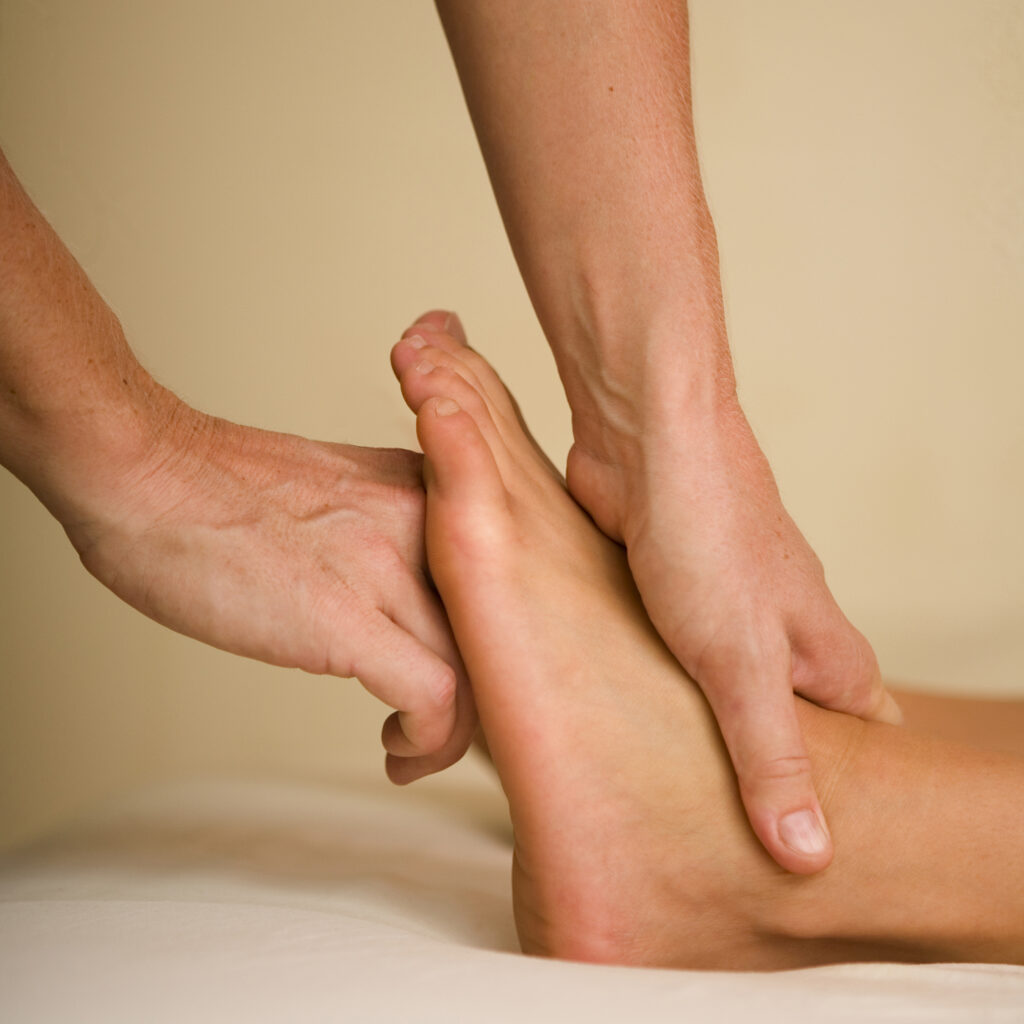
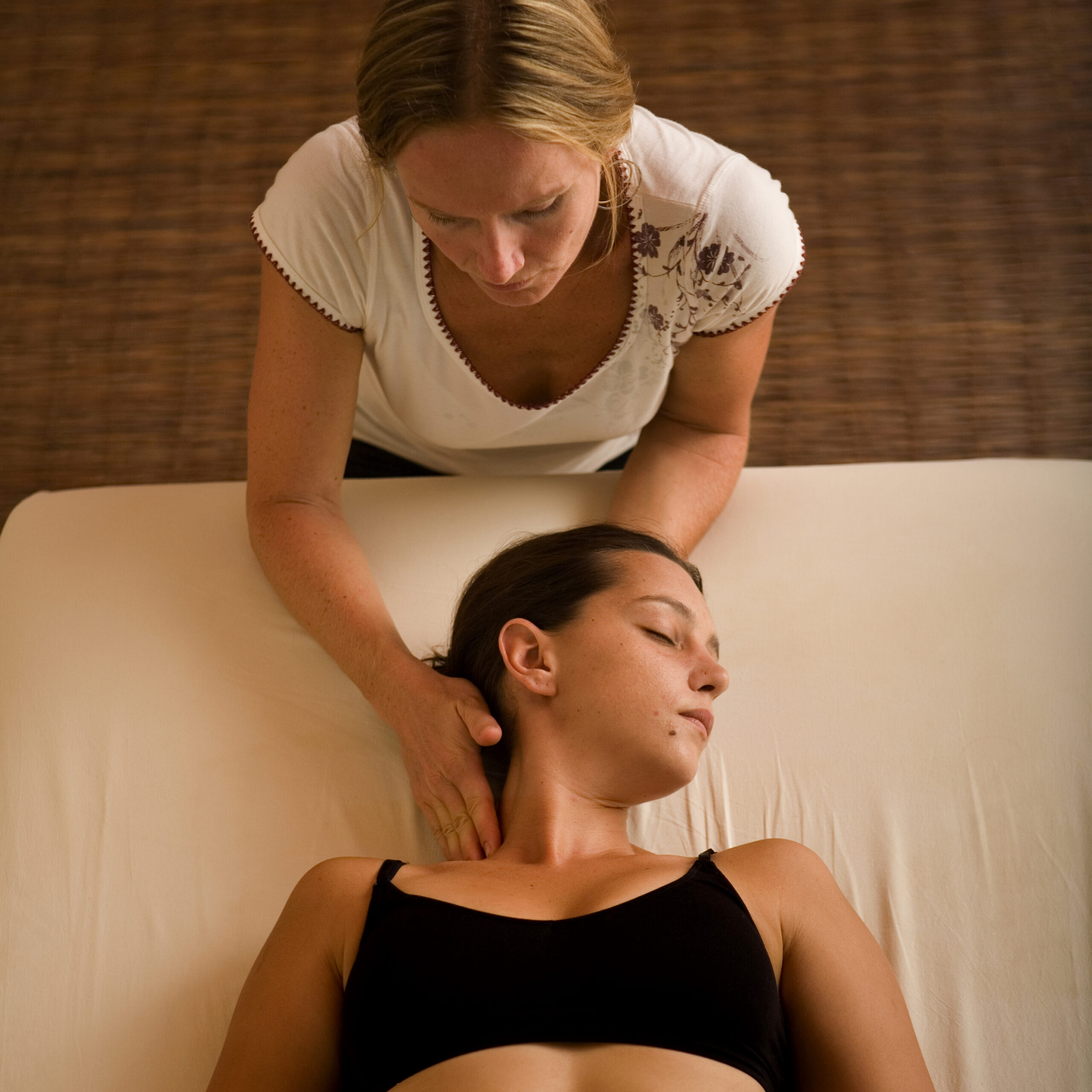
Structural Integration improves your body posture, flexibility and puts you back into the flow of life
Other benefits:
Lasting improvements of physical restrictions will improve your mood and boost your self-confidence. Conditions you almost had given up on can change for the better and re-ignite your joy for life.
How does this modality work and what is fascia?
Through slow, hands-on pressure, the connective tissue system, also known as fascia, of your body is carefully manipulated to release tension in areas where the body is restricted. The tissue becomes hydrated again through this work, and thus more pliable. Each session does the groundwork for the following one, until complete integration and balance of the skeletal-fascia system is achieved.
A complete treatment consists of 10 sessions and is strongly recommended in cases of long-lasting chronic pain due to severe accident or injury. There is also the possibility of receiving a shorter series of 3 or 7 sessions, and if you are curious about how this type of bodywork is different from massage, you can book just a single session and still greatly benefit from it.
Connective tissue system of the body is a complex 3-dimensional system of sheets, chords, and bags that wrap, divide, permeate, and connect every one of your muscles, bones, organs, nerves, and blood vessels. Fascia creates the underlying matrix of our body structure, gives us shape, and is continuous throughout the entire body. It creates a stable yet mobile, flexible, and resilient unit — our body! Without it, we would be just a big bone-filled blob. For centuries, fascia was not even mentioned in anatomical textbooks because it is so expansive and intertwined that it resists the medical standard of being cut up and named. This lack of awareness about fascia is changing rapidly, thanks to modern research.
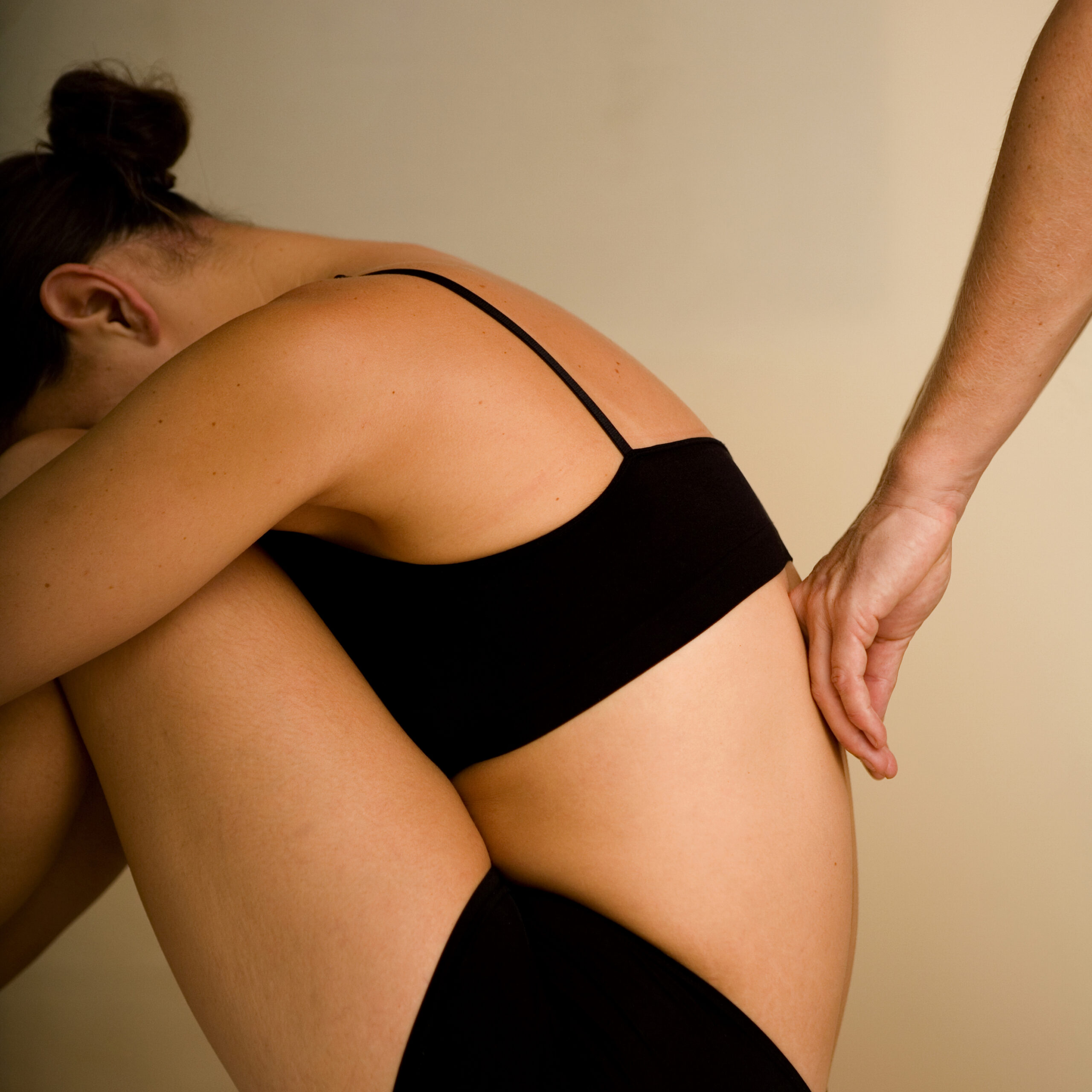
What you will experience in a Structural Integration session?
Initial assessment of your body structure
– Identifying patterns of imbalance and tensional lines throughout the entire body
– Understanding how your feet are touching the ground and what patterns are present in your legs
– Checking for tilts and rotations in your pelvis, and for imbalances in the shoulder girdle, neck and head
– Please wear comfortable underwear or beach garments
Assessment of your repetitive movement patterns
– Looking into your daily routines and identifying those repetitive movements that have the biggest impact on your body posture, like carrying a small child, crossing your legs while working long hours on the computer, engaging in one-sided sport activities, playing an instrument, etc. etc.
– Recollecting those accidents that had the biggest impact on your body (car, bike, skiing, surfing, falls)
– Understanding where you currently experience pain or restrictions
Treatment tailored to your needs
– Devising a treatment plan based on all the gathered information and your needs
– Sequencing the treatment steps in a way that those complex patterns start to unravel
– You will be lying on a massage table and keep your under garments on
– Occasionally I have you stand up during the treatment in order to feel the changes that are happening in your body
Final assessment and recommendations
– Together we will be looking into all the changes that happened in your session, areas that softened, tilts and rotations that diminished, and any other sensations that changed
– I will give recommendations about changing certain movement habits, specific ways to stretch, and other ideas that can further your healing progress.
What Clients Say About Their Structural Integration / Rolfing Treatments
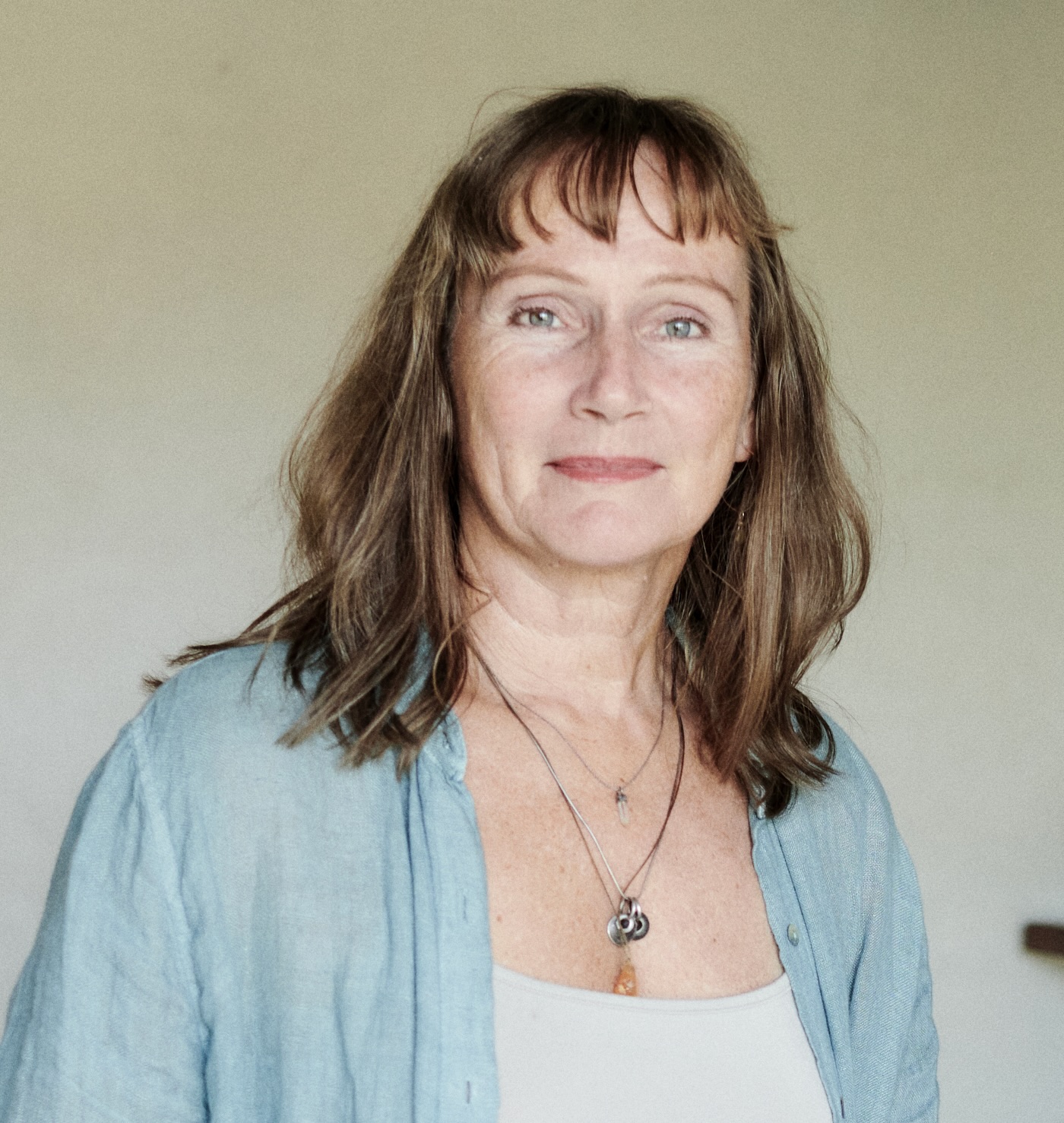
Take a big step towards more balance in your body and your life. Book a Rolfing session with Ulrike.
I am practicing this art since 20 years as my main therapy form and I am passionate about finding the real cause of physical pain and imbalances so that your life becomes more enjoyable.
Duration: 60 minutes, Value: 120 USD
The body-mind connection and the healing process in general
A quote from Gil Hedley, and outstanding pioneer in integral anatomy education and very eloquent speaker/philosopher:
“I do beliefe that there should be standing patterns of tone throughout all our different tissues, and construed together, those patterns are a representation of our habits of thought, emotional expressions and movement style over time. Also specific events that have occurred will be met with compensations – adjustments in thought, emotion and movement – or specific tonal signatures that represent a response of the organism to that event. Those compensations, if not released immediately, can then get buried deep within our organism. These events don’t have to be traumatic per se. Rather just moments in time around which we have adjusted, that become stored “memories” in tissue tonus. We all collect such various event-compartmentalizations around which we move. And when we are being touched or move in new ways that connect into and disrupt and expose these holding patterns, we might remember the event relative to which we developed the particular tonus signature.
Of course, whenever we are invited through the explorations of touch, movement, conversation and introspection to loosen our grip on a pattern that may not be serving us anymore, that release may be accompanied by various physiological signatures of the adjustment – shaking, feeling of restored circulation of fluids and energy or emotional expressions. There can be on the part of both practitioners and clients a growing attachment to such “dramatic releases” because of our yearning for physical evidence that something is indeed happening. But these fireworks are not always necessary really. We can learn to trust more subtle processes that can also be sufficient to initiate adjustments of long held tonus patterns and so restore our healthiest function or bring us to levels we never knew possible, with or without fireworks along the way.”
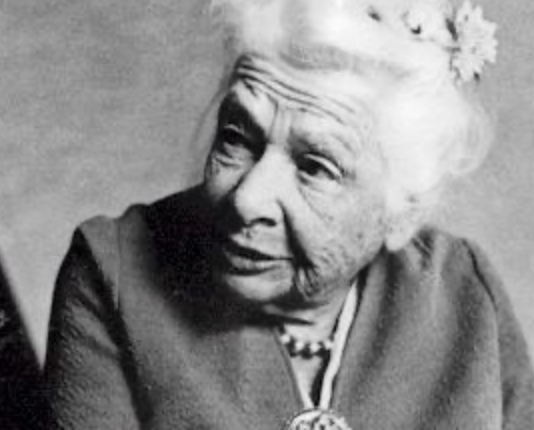
The pionier woman who developed this method: Dr. Ida Paulina Rolf
Ida P. Rolf, a native New Yorker, graduated from Barnard College in 1916; and in 1920 she earned a Ph.D. in biological chemistry from the College of Physicians and Surgeons of Columbia University. For the next twelve years Ida Rolf worked at the Rockefeller Institute where she eventually rose to the rank of Associate, no small achievement for a young woman in those days. In 1927, she took a leave of absence from her work to study mathematics and atomic physics at the Swiss Technical University in Zurich. During this time, she also studied homeopathic medicine in Geneva. Returning from Europe, she spent the decade of the 1930’s seeking answers to personal and family health problems. Medical treatment available at that time seemed inadequate to her; this led to her exploration of osteopathy, chiropractic medicine, yoga, the Alexander technique and Korzybski’s work on states of consciousness.
By the 1940’s, she was working in a Manhattan apartment where her schedule was filled with people seeking help. She was committed to the scientific point of view, and yet many breakthroughs came intuitively through the work she did with chronically disabled persons unable to find help elsewhere. This was the work eventually to be known as Structural Integration. For the next thirty years, Ida Rolf devoted herself to developing her technique and training programs. During the 1950’s, her reputation spread to England where she spent summers as a guest of John Bennett, a prominent mystic and student of Gurdjieff. Then, in the mid-60’s, Dr. Rolf was invited to Esalen Institute in California at the suggestion of Fritz Perls, founder of Gestalt Therapy. There she began training practitioners and instructors of Structural Integration.
The more Structural Integration classes Ida Rolf taught, the more students sought admission to training. Newspaper and magazine articles began featuring the person and work of Ida Rolf, and soon the necessity for a formal organization became apparent. As early as 1967, the first Guild for Structural Integration was loosely formed and eventually headquartered in a private home in Boulder, Colorado.
Until her death in 1979, Ida Rolf actively advanced training classes, giving direction to her organization, planning research projects, writing, publishing and public speaking. In 1977, she wrote Rolfing: The Integration of Human Structures (Harper and Row, Publishers). This book is the major written statement of Ida P. Rolf’s scholastic and experiential investigation into the direct intervention with the evolution of the human species. Another book compiled by Dr. Rolf’s close associate and companion: Rosemary Feitis, is Ida Rolf Talks About Rolfing and Physical Reality. It is truly a jewel: giving us insights into Dr. Rolf’s unique and incredible mind.